
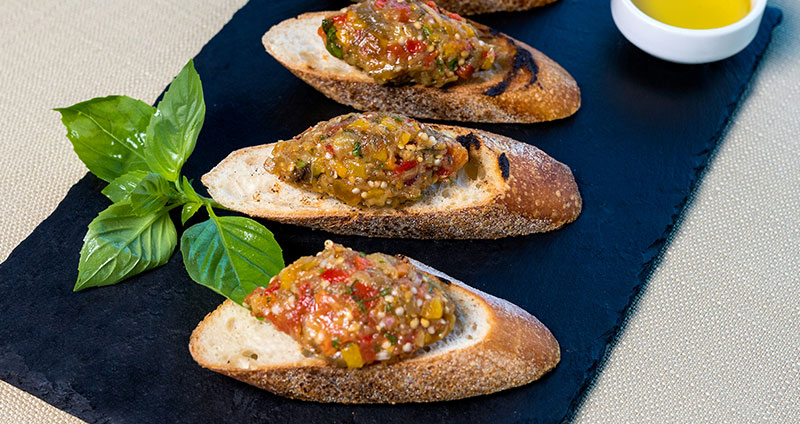
Miguel, the barista at a small bar in the Realejo neighborhood, set three plates down on the counter with a wide smile. On one, chorizo, cheese, and olives. On another, tortilla española. On the third, grilled vegetables with garlic sauce. Our group – two local friends and I – had only ordered coffee and lemonade. But Granada isn’t a city where you’ll go hungry if you stop somewhere.
“Bienvenido a Granada” – Miguel said, winking. “Things are different here.”
And they truly are. While in the rest of Europe tapas are getting more expensive, portions are shrinking, and every morsel costs extra, Granada stubbornly clings to a tradition that has long since disappeared elsewhere: here, every drink automatically comes with a plate of food. Free. As a gift. Simply because that’s the custom.
My First Tapa in Granada
I remember my first Granada afternoon, more than six years ago. My friends and I climbed above the city to the Mirador de San Nicolás, where the view of the Alhambra is breathtaking at sunset. When evening fell and our stomachs began to rumble, we stopped at a small bar near Plaza Nueva.
Two of us ordered coffee, and one friend ordered beer.
The waiter simply nodded, and a few minutes later returned with three plates. On one, jamón serrano – thin slices of the famous Spanish ham. On another, patatas bravas – fried potatoes swimming in spicy sauce. On the third, almejás – clams in garlic sauce.
I looked up, confused.
“How much do we owe?” I asked.
The waiter smiled again – that typical Granada smile, both patient and proud.
“Dos cafés, dos euros cincuenta. Una cerveza, dos euros cincuenta. Cinco euros total.”
“But the food…?”
“Las tapas son gratis, amigo. That’s how we do it in Granada.”
In that moment, I began to understand that I’d discovered something special.
Why Granada? Why Free?
Later, as I visited Granada more and more, I began researching the roots of this phenomenon. Because it’s true that in other Spanish cities – Madrid, Barcelona, even Seville – tapas cost money. Sometimes quite a lot. But Granada is different.
The story, as the locals tell it, has both economic and cultural roots. Granada was for a long time one of Andalusia’s poorer cities. When tourism arrived in the 50s and 60s, the city’s bars were competing with each other. They couldn’t charge as much for drinks as in the wealthier cities. But they could offer something else: generosity.
With one beer, they’d give a small plate of food. Then another bar would give two. A third would give even bigger portions. And gradually this competition became tradition – not downward, but upward. Who could be more generous? Who could give better quality food for free?
But there’s another, deeper explanation, which I heard from an old Granada friend of mine, Antonio, on a cold winter afternoon as we walked among the caves of Sacromonte with cups of hot chocolate in our hands.
“You know,” Antonio said, “Granada has always been a special place. It was under Moorish rule for eight hundred years. When the Arabs were here, hospitality was sacred. If someone entered your house, you fed them. Not because you had to, but because that’s what’s right. This culture somehow remained. The tapas… it’s not just marketing. It’s identity.”
How Does the System Work?
To understand Granada’s tapa culture, you need to know the rules of the game. And yes, there are rules, even if they’re unwritten.
First: every drink comes with a tapa. It doesn’t matter if you order coffee, tea, soft drinks, beer, or wine. The price is usually between €1.50-€3.50 (depending on what you order), and food is included.
Second: the more you consume, the better the tapa gets. This is the beautiful logic of the system. With your first round, you might get olives or some chips. With the second, perhaps meat or cheese. With the third, possibly a hot dish – paella, albondigas (meatballs), pescadito frito (fried fish). Over the course of an afternoon or evening, you can taste your way through an entire menu without having ordered it.
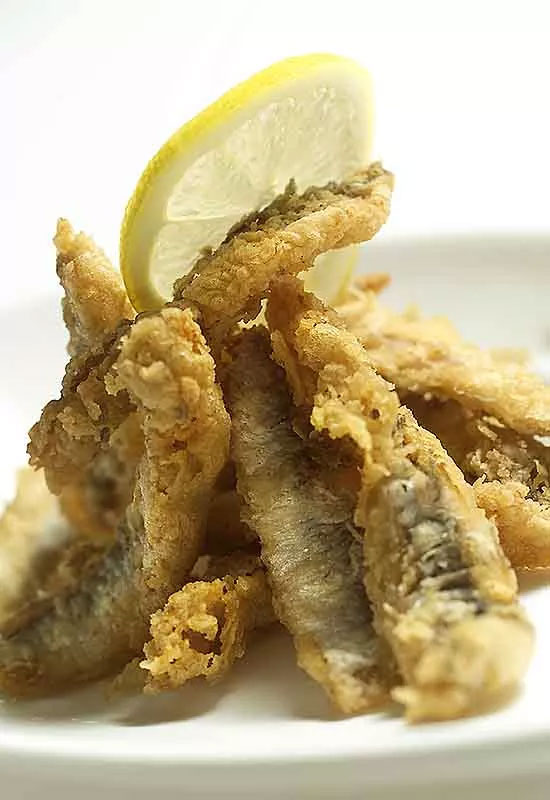
photo by: ART CHAPIZ APARTMENTS
Third: you usually can’t choose. The bar decides what to give you. This can be frustrating at first – especially if you get exactly what you don’t like. But over time you learn to appreciate the surprise. It’s part of the experience. Like gastronomic roulette.
Fourth: you don’t have to eat everything. If you’re allergic to something, vegetarian, or simply don’t like it, you can say so and they’ll usually exchange it. The people of Granada are friendly, but they don’t want to feed anyone something they don’t like.
The Tapa Tour: A Granada Tradition
Real Granada tapeo (tapa-hopping) doesn’t happen in one place. It’s a journey, a gastronomic pilgrimage through the city’s different neighborhoods.
A typical Granada afternoon or evening looks like this: you meet up with friends around five or six o’clock, or even seven or eight in the evening. You go into a bar around Plaza Nueva. Everyone orders a drink – could be coffee, lemonade, beer, wine, whatever you want. You eat the tapa, chat for ten to fifteen minutes. Then you move on to the next bar. And then the next. And so on, through four, five, six places, until you arrive at the end of the evening completely satisfied and full.
This is called “ir de tapas” – going for tapas. And it’s not just eating and drinking. It’s socializing, a community event, experiencing the soul of Granada.
One memorable afternoon I had with my Granada friends Carmen and Pablo. We started on Calle Navas, at a small bar that serves the best jamón serrano. Carmen had coffee, Pablo had orange juice, I had vermouth. Then we went to Realejo, where another place surprised us with wonderful albondigas. Carmen switched to tea here, Pablo changed to beer, I stayed with soft drinks. Next we headed toward the Cartuja neighborhood, to a modern bar where the tapa was avocado and salmon bruschetta. Then back to the city center, to a traditional place offering vegetarian tapas – morcilla for those who like it, but grilled vegetables for everyone.
Five bars, five tapas, different drinks – and the whole thing barely cost more than ten to twelve euros per person. And we weren’t just full, but entertained, culturally enriched, and blessed with new memories.
Where to Find the Best Tapas?
This is the question every Granada visitor asks. And the truth is: there’s no single right answer. Because the best tapas depend on what you like, what atmosphere you’re seeking, how adventurous you are.
But there are some neighborhoods that are particularly famous.
Calle Navas is the Mecca of tapas. Here one bar stands closer than the next, and the competition is fierce. This means the quality is high, portions are large, and prices are competitive. Locals come here when they want a sure thing.
Realejo, the former Jewish quarter, boasts more modern, trendier places. Here you’ll find fusion cuisine, vegetarian options, creative creations. If you want something new alongside traditional Spanish food, come here.
Calle Pedro Antonio de Alarcón is the students’ favorite. Here drinks are cheaper, portions are big, and the energy is youthful. It’s lively in the afternoon, packed by nine in the evening.
And then there’s Sacromonte – the gypsy quarter, where bars operating in cave dwellings offer a special atmosphere. Here the tapas are often traditional gypsy dishes – gazpacho, tortilla, caracoles (snails). And if you’re lucky, you’ll be treated to accompaniment: a flamenco guitar playing in the background.
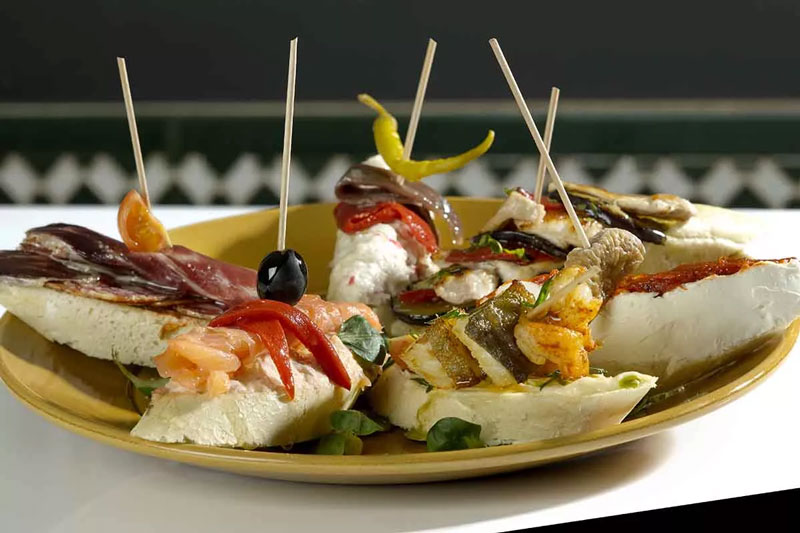
photo by: ART CHAPIZ APARTMENTS
The Rules That Aren’t Rules
As I got to know Granada’s tapa culture better, I realized there are certain unwritten rules that are good to follow.
Don’t sit down immediately. In most bars, people consume drinks and tapas standing at the counter. It’s faster, friendlier, easier to chat with strangers. Table seating is usually more expensive (consumición), and doesn’t always come with tapas.
Don’t rush. Granada tapeo isn’t fast food. It’s slow enjoyment. Sip your drink, eat your tapa, chat, watch the people. Then move on.
Be open. If you get something you don’t recognize, try it. I made some of my best gastronomic discoveries this way. At first morcilla seemed strange, but now I love it. Berenjenas con miel – eggplant baked in honey – is also an odd combination, but divine.
Talk to the waiters. They know what the day’s special is. They know which tapa is best. And if you’re nice, they often sneak an extra portion or something special onto your plate.
Don’t tip at every place. It’s not mandatory in Spain. If the service or food was particularly good, leave some coins. But they don’t expect it.
Know when to go. Many places close between two and four in the afternoon (siesta), then reopen around six or seven in the evening. If you arrive early afternoon, you might find places open in the tourist zones, but authentic tapa bars usually open late afternoon.
Vegetarian, Vegan, Allergies? No Problem!
One thing people often ask: what if you follow a special diet? The answer is surprisingly positive.
Although Granada is traditionally a meat-eating culture, in recent years more and more bars have been offering vegetarian and vegan options. Berenjenas fritas (fried eggplant), pimientos de padrón (small green peppers), gazpacho, various salads, patatas bravas (usually vegan), champinones al ajillo (garlic mushrooms) – all excellent vegetarian tapas.
If you have allergies or are gluten-sensitive, simply tell the waiter. Most places try to help and offer alternatives. For celiac guests, many places have gluten-free bread and can prepare gluten-free tapas.
Why This Matters to Me
Over six years and countless Granada visits, tapa culture has somehow become part of my heart. It’s more than eating. It’s a philosophy.
In a world where everything is speeding up, where food is getting more expensive, where dining often becomes a solitary activity in front of a phone screen, Granada says: slow down. Sit with strangers. Talk. Laugh. Enjoy the food, but even more, enjoy human connection.
Granada’s tapas are a last bastion against a world that wants to turn everything into a marketplace. Here the idea still exists that hospitality is a value. That giving is good. That sharing food creates community.
Every time a plate of tapas is placed before me as a gift, every single time the waiter smiles and says “con gusto” – with pleasure – I feel there’s hope. Hope that not everything is about how much you pay, but about how you share.
Practical Tips for Granada Visitors
If you want to go tapeo in Granada, here are some tips:
Timing: Tapeo usually starts late afternoon (6-7 o’clock) and can go on until midnight. But if you’re not a night owl, it’s perfectly fine to start at 5 pm and finish by 9.
Budget: Figure on about €10-15 if you want to visit 4-5 places. This will be enough for a full meal.
Company: While you can go tapeo alone, it’s a much better experience with others. The people of Granada go in groups, chat, laugh.
Avoid overly touristy places: Around Plaza Nueva many bars cater specifically to tourists – they’re more expensive with smaller tapas. Walk a few streets away where the locals go.
Learn a few basic words: “Una cerveza, por favor” (one beer please), “Un café con leche” (one coffee with milk), “Qué tapa hay hoy?” (what tapa is there today?) – these help a lot.
My Last Tapa… For Now
My last Granada afternoon ended at a small bar in a dark corner of Calle Elvira. It was six in the evening, my legs were tired from walking, my stomach full of delicious food.
I ordered one last coffee. The waiter – an older man whose face told a thousand stories – placed a plate before me. On it, just one thing: a thick slice of homemade bread, toasted, fresh tomato and olive oil, a pinch of salt. Nothing extra. Nothing fancy.
“This is all you need,” he said simply. “Good bread, good tomato, good oil. The rest is just show.”
And as I bit into it, I knew he was right. Granada’s tapas aren’t about quantity. Not even about free food, though that’s nice. They’re about reminding us that the simple things are best. Good company, good food, the moment when you stop and truly are where you are.
Granada’s tapas preserve this knowledge. And as long as there is Granada, there will be hope that this knowledge won’t be lost.
__________________________________________________
For more Andalusia tips, follow us on Pinterest! 🧡